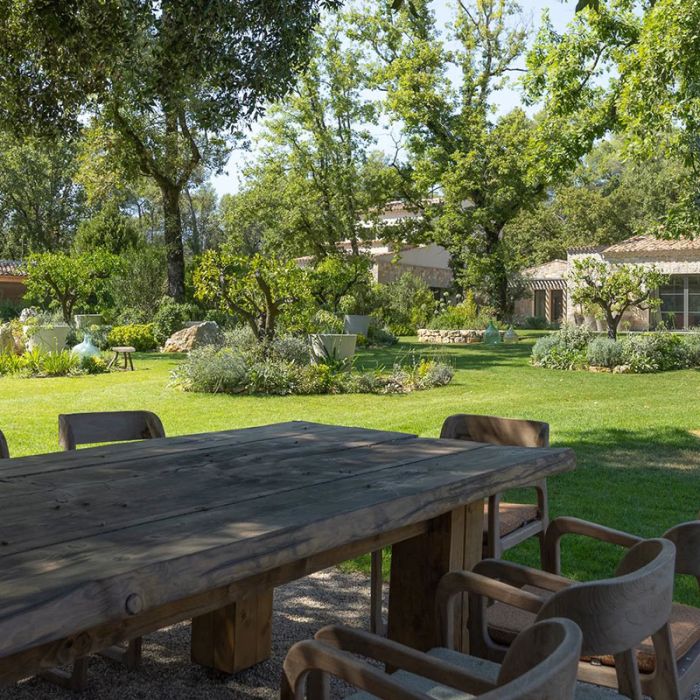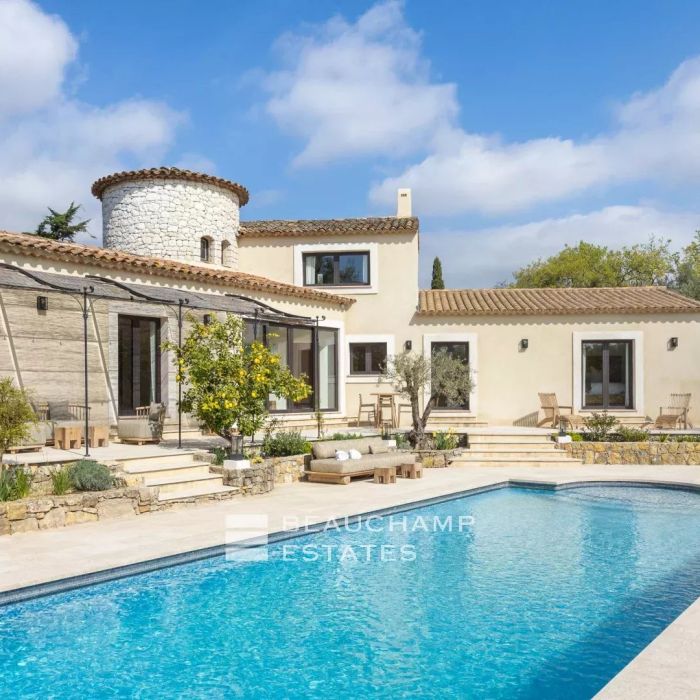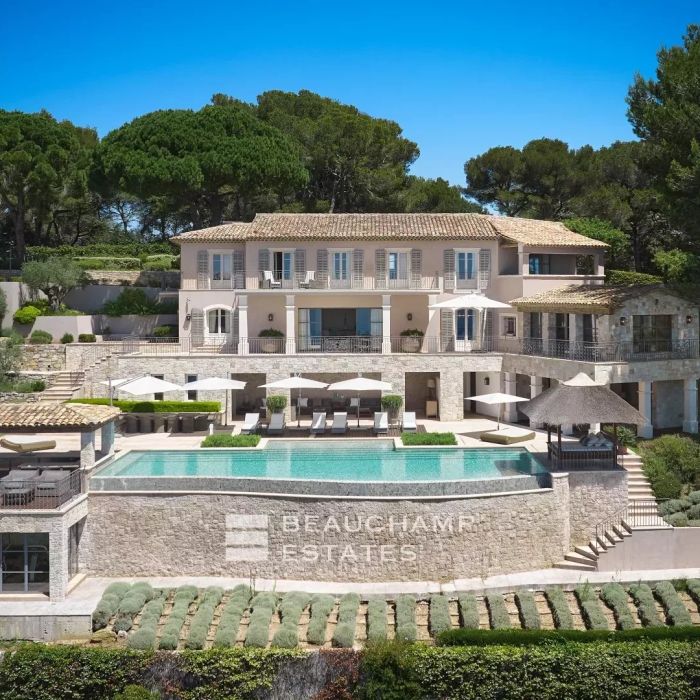


At Beauchamp, bespoke support is not limited to seaside villas or prestigious penthouses on the French Riviera. Our expertise also extends to rare assets such as vineyard estates—exceptional properties that blend lifestyle, heritage, and real estate investment. Buying a vineyard property now attracts an international clientele seeking meaning, authenticity, and diversification within the real estate market.
This type of acquisition cannot be improvised. It involves strategic choices, a keen understanding of the terroir, and a long-term vision. Beauchamp, recognized as a benchmark in luxury real estate, guides investors through every step with an approach that is both rigorous and personal.
Why buy a vineyard property, and who is this project for?
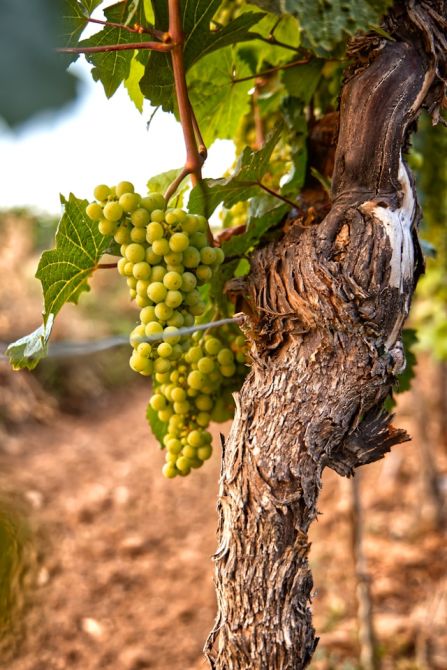 Buying a vineyard property fulfills several aspirations. Some see it as a passion investment—a life project fueled by the desire to produce their own wine. Others seek asset diversification with a tangible asset steeped in history. There are also those undergoing a career change, drawn to a demanding yet rewarding agricultural activity.
Typical buyers supported by Beauchamp often come from the worlds of business, finance, or premium real estate. They wish to anchor themselves in a more sensory, almost hedonistic project where the land, climate, and time play an essential role. This endeavor can also be family-oriented, with the desire to pass down an estate through several generations.
However, certain realities must be considered. A vineyard property requires constant involvement, even when managed by a team. Seasonal rhythms, weather hazards, and regulatory constraints are part of daily life. The project must be approached with clarity.
Buying a vineyard property is not just a dream; it is a profound commitment that permanently transforms a lifestyle.
Beauchamp supports these diverse profiles with a keen understanding of expectations and a selection of high-end properties tailored to every ambition.
Buying a Vineyard Property: Which Criteria Should Be Analyzed Before Starting?
Before buying a vineyard property, several criteria must be studied precisely. Location remains decisive. A recognized region with a prestigious appellation directly influences the estate’s valuation and commercial potential.
The terroir is a central element. Soil composition, exposure, climate, and altitude impact the quality of the wine produced. Some investors discover just how subtle and decisive these parameters are. Beauchamp relies on experts to analyze these often-overlooked characteristics.
The condition of the vineyard is another key point. The age of the vines, their density, maintenance, and yield provide an indication of future performance. Infrastructure must also be evaluated: the cellar, equipment, agricultural buildings, or the main residence.
- Quality of the terroir and production potential
- Appellation and reputation of the estate
- Condition of technical facilities
- Regulatory compliance and planting rights
- Accessibility and tourist appeal
The regulatory framework can prove complex. Between authorizations, agricultural standards, and local constraints, expert advice is essential. Beauchamp, as an experienced real estate agency, secures every step and helps avoid potentially costly mistakes.
Rigorous upfront analysis determines the success and longevity of the project.
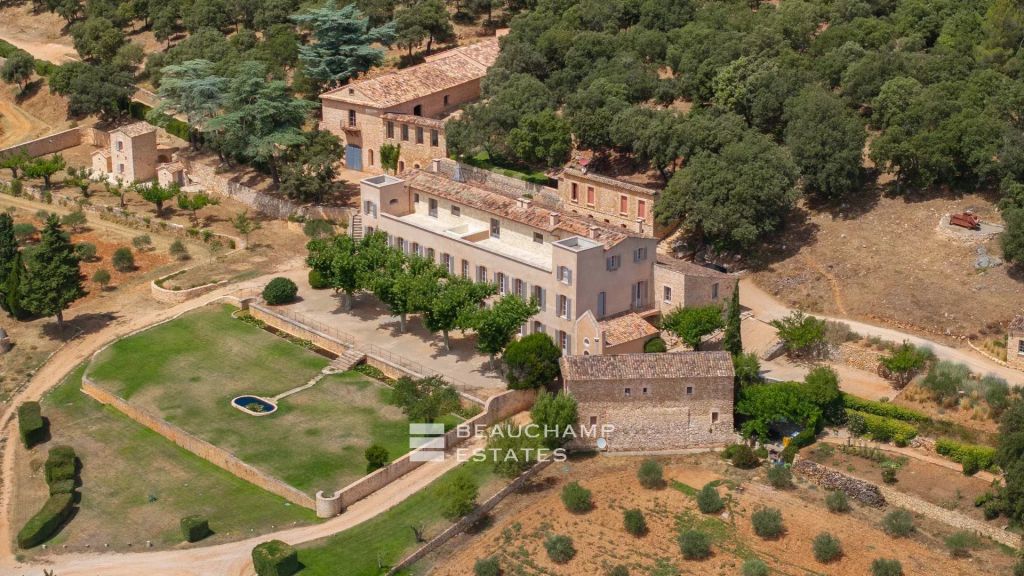
What budget should be planned, and what steps are needed to finalize a purchase with Beauchamp?
The budget for buying a vineyard property varies greatly depending on the region, size, and reputation of the estate. In certain sought-after areas, prices can rival those of prestigious villas on the French Riviera.
Beyond the acquisition price, additional costs must be anticipated: operating costs, vineyard maintenance, salaries, equipment, and potential renovations. Financing can be structured in various ways with solutions tailored to international investors.
Beauchamp intervenes at every stage of the process. From property selection to negotiation, including technical and legal audits, the support is comprehensive. As a luxury real estate agency, Beauchamp offers privileged access to luxury properties for sale that are often off-market.
Administrative procedures include verifying titles, production rights, and specific authorizations. Every detail counts. Thanks to its network, Beauchamp simplifies these procedures and ensures a smooth transaction in the real estate market.
Appropriate financial structuring allows this type of investment to be approached with peace of mind.
Profitability Prospects and Daily Management of a Vineyard Estate
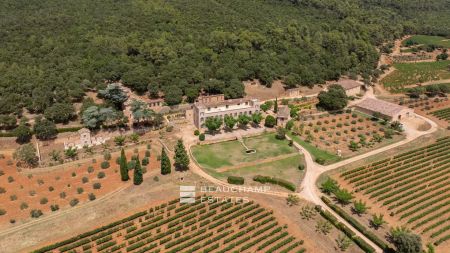 The profitability of a vineyard property relies on several economic models. Wine production and sales remain the core activity, but other levers exist: wine tourism, private events, accommodation, or direct sales. Some estates develop an almost baroque approach, blending culture, gastronomy, and customer experience.
The daily operation of a vineyard estate requires rigorous organization. It involves managing teams, supervising harvests, monitoring production, and ensuring marketing. Even with an estate manager, the owner’s involvement remains significant.
Beauchamp supports its clients beyond the purchase by offering a global vision of management. This approach allows for anticipating challenges and optimizing the estate’s performance. In a constantly changing real estate market, this strategic vision makes the difference.
The most astute investors adopt a long-term perspective. An estate’s valuation depends as much on the quality of the wine as on its image. In this sometimes cryptic world, every decision influences the perception of the estate.
Investing in a vineyard estate combines passion, high standards, and long-term strategy.